
Why Open-World Games Make Exploration Feel Like Storytelling
How Breath of the Wild, Elden Ring and Red Dead Redemption 2 turn exploration into storytelling through terrain, ruins and surprises.
The best moments in open-world games don’t always happen during the main story. Sometimes, they’re found when you leave the marked path, notice an unusual landmark or discover a location that raises more questions than it answers.
Games like The Legend of Zelda: Breath of the Wild, Elden Ring and Red Dead Redemption 2 turn exploration into something more meaningful than travelling between objectives. Their environments, hidden details and unexpected encounters allow players to uncover stories through their own discoveries. The world becomes part of the narrative, and the journey itself creates memorable experiences.
A World That Invites Exploration
A large map doesn’t automatically make an interesting open-world game. Developers must give players reasons to explore while making the world feel natural rather than like a collection of disconnected locations.
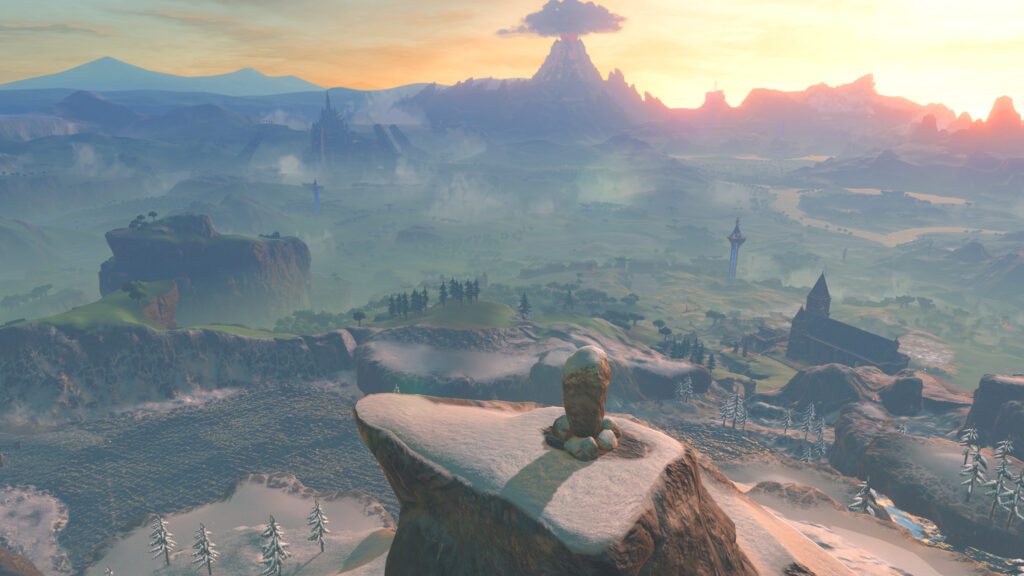
The Legend of Zelda: Breath of the Wild approaches this through its landscape design. Its developers discussed their decision to break established conventions in the 2017 Game Developers Conference presentation, Change and Constant: Breaking Conventions with The Legend of Zelda: Breath of the Wild.
The game’s approach to terrain was also explored in a CEDEC 2017 presentation titled Field Level Design in The Legend of Zelda: Breath of the Wild. Game Developer’s analysis of the game’s design lessons explains how its triangle design emphasizes verticality and reduces the need for artificial navigation shortcuts.
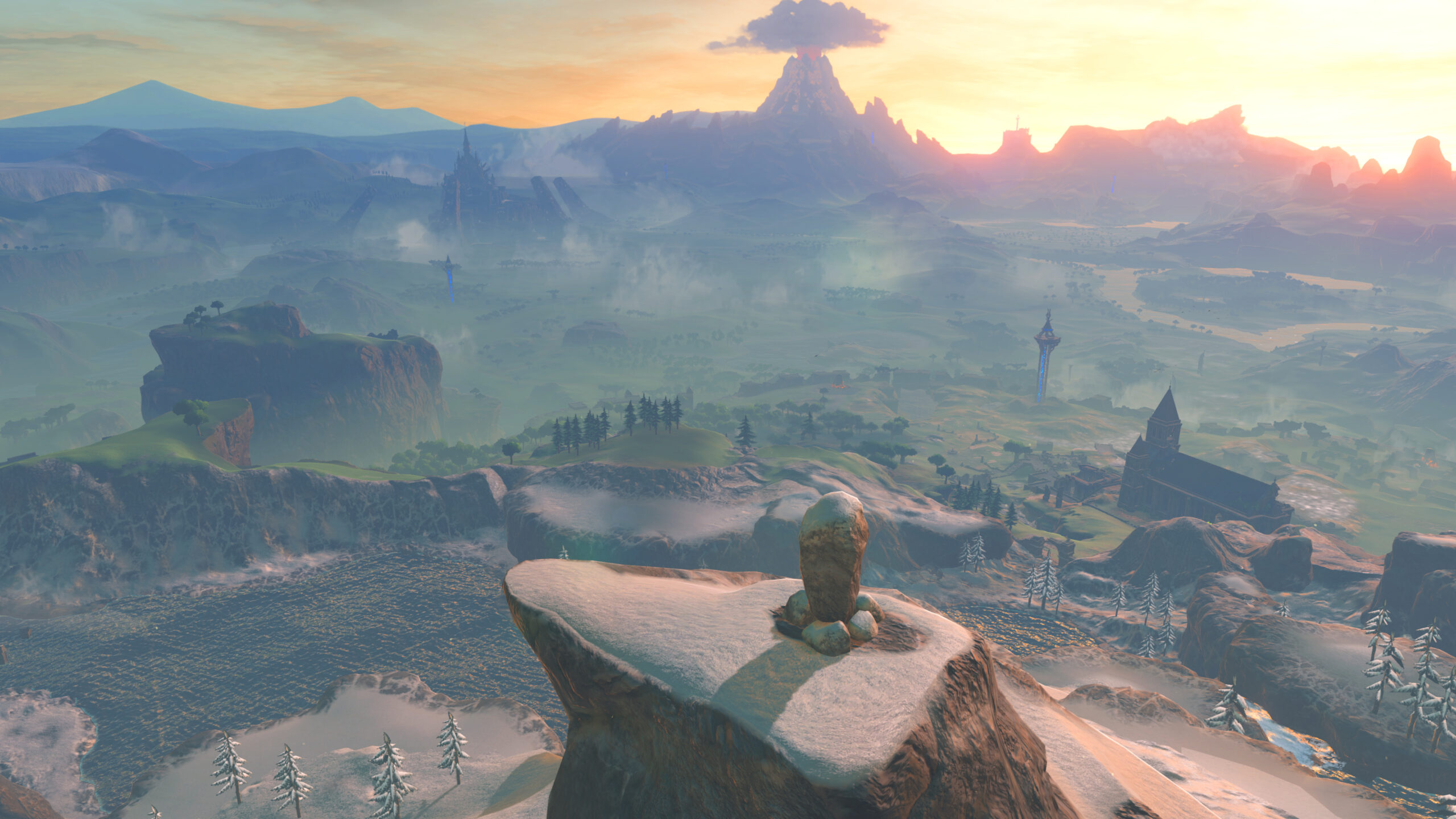
Mountains and other triangular formations influence how players approach the landscape. A formation can give players a choice between travelling over it or taking a route around it. It can also obstruct their view, allowing designers to create surprises and make players wonder what lies on the other side.
This means the terrain does more than provide scenery. It influences movement, creates anticipation and encourages players to investigate what they cannot immediately see. A distant landmark can become a destination simply because the player wants to discover what’s there.
Stories Hidden in the Environment
Not every game needs to explain its entire history through dialogue or lengthy cutscenes. Sometimes, a location can communicate its past through its architecture, surroundings and the details left behind.
Elden Ring builds much of its atmosphere around this idea. Its Lands Between contains ancient castles, ruined structures, mysterious settlements and interconnected dungeons. Bandai Namco’s official game page describes a world of vast fantastical landscapes and complex dungeons, with locations ranging from grassy plains and suffocating swamps to spiraling mountains and foreboding castles.
These places give the world a sense of history that exists beyond the player’s immediate journey. Their appearance and placement encourage players to consider what might have happened before they arrived.
Director Hidetaka Miyazaki discussed the importance of player freedom in his PlayStation Blog interview. He explained that he wanted players to enjoy the game in their own way and feel free to explore its open world at their own pace.
That philosophy suits a world built around discovery. Players can decide where to go, what to investigate and when to move on. The experience of uncovering the world becomes part of the story rather than simply a way of reaching the next objective.

The Joy of Discovering Something Unexpected
Some of the most memorable open-world experiences happen away from the main objectives. A journey between two destinations can become interesting because of something happening along the road or in the surrounding environment.
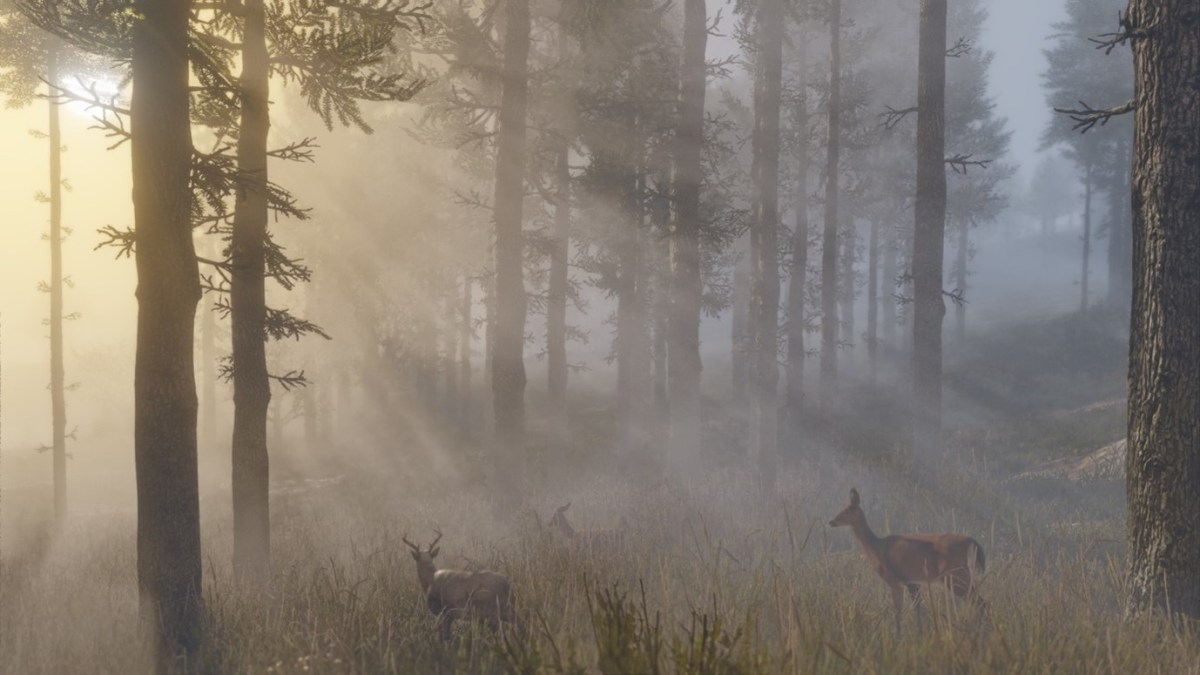
Red Dead Redemption 2 makes this especially clear through its attention to wildlife. According to Rockstar Games’ official wildlife feature, the game includes around 200 species of animals, birds and fish. Each contributes to an ecosystem designed to make the natural world feel active and varied.
This level of detail gives the wilderness a purpose beyond making the landscape look attractive. Wildlife becomes part of the world players travel through, adding activity and unpredictability to the environment.
The same attention to detail helps make travelling feel like an experience rather than a pause between missions. Players can observe their surroundings, encounter unfamiliar situations and become distracted by details that aren’t directly connected to their current objective.
That is what makes discovery rewarding. A location or encounter can become memorable precisely because players find it through their own decisions instead of being directed towards it by a mission marker.
The Challenge of Making Freedom Meaningful
Giving players a large world to explore creates a difficult design challenge: how do developers preserve freedom while keeping the experience engaging and well-paced?
Miyazaki addressed this directly in his PlayStation Blog interview. He identified two major challenges during Elden Ring’s development. The first was expanding the level of freedom. The second was managing the tempo and pacing of player progression across a vast, open-ended map.
These challenges are closely connected. Players need enough freedom to choose their own routes, but the world must also offer a satisfying sense of progression. If exploration feels repetitive or the journey loses direction, the size of the map becomes less important.
Elden Ring gives players room to approach challenges in different ways and return to difficult situations later. Breath of the Wild uses its terrain to encourage different routes and discoveries. Red Dead Redemption 2 fills its natural environments with wildlife and activity that make travelling between destinations worthwhile.
Each game takes a different approach, but all three show that meaningful exploration requires more than distance. The world needs details, encounters and locations that reward the time players spend investigating it.
This idea also connects with our SANSTUDIOH feature, Why Anime Games Make You Feel Like You’re Inside the Story. That article explores how gameplay can make players feel involved in a story, while this feature looks at how the surrounding world can communicate stories through exploration.
Exploration Is Part of the Story
Open-world games are often measured by the size of their maps, the number of activities they contain or how much time players can spend completing them. But those measurements don’t always explain why a world is memorable.
The strongest experiences often come from smaller discoveries: a landmark that catches the eye, a location that reveals something about the world’s past or an unexpected encounter that interrupts an ordinary journey.
The Legend of Zelda: Breath of the Wild, Elden Ring and Red Dead Redemption 2 show how different approaches to world design can make exploration feel like storytelling. They give players reasons to look beyond their immediate objectives and pay attention to the places they travel through.
A compelling open world doesn’t simply give players somewhere to go. It gives them something worth discovering along the way.

Sanford Mwambula
Sanford Mwambula is a writer and the founder of SANSTUDIOH, an independent anime media platform. He writes about anime, manga and gaming, covering industry news, reviews, recommendations and features. His passion for storytelling and digital media drives his mission to connect fans with the stories and worlds they love. Follow his work on SANSTUDIOH and visit sanstudioh.site for the latest updates.
More Stories

Why Some Anime Games Make You Feel Like You’re Inside the Story
Discover how anime-inspired games use gameplay, character relationships and multiple perspectives to make storytelling more personal.
Leave a Reply